







Search Results for: Asia Pacific Coffee Beans
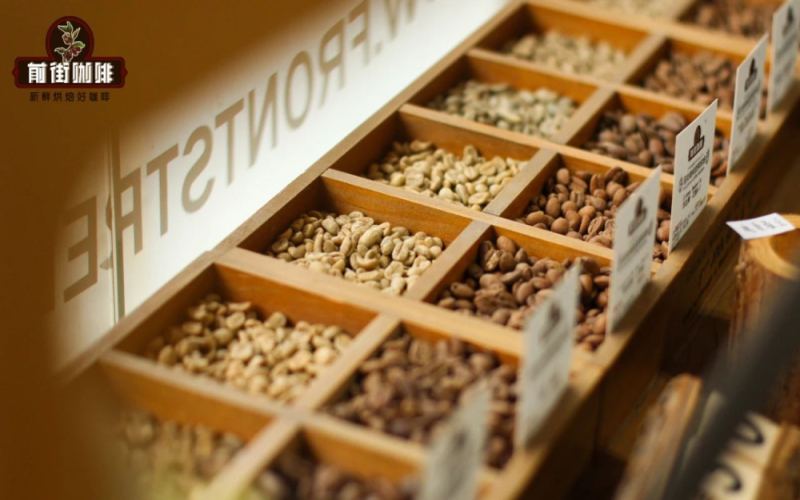
Flavor Analysis of Coffee Beans from the Asia-Pacific Region and the Origin of the Low-Caffeine Auspicious Dragon Blend
The allure of coffee is often rooted in the land where it grows. The Asia-Pacific region spans the Indonesian archipelago, East Timor, Papua New Guinea, India, Vietnam, and even China's Yunnan and Taiwan, among other places. The enormous differences in climate and soil across these areas have given rise to widely varying coffee flavors. This article will start from the overall characteristics of Asia-Pacific origins, sort through the representative bean varieties and taste profiles of different countries, and further introduce the origins and features of Starbucks Decaf Komodo Dragon Blend. Front Street Coffee (FrontStreet Coffee) hopes that through continuous understanding and comparison of origins, more coffee lovers can step into the vast world of coffee. [more…]
Guide to Varieties and Flavor Characteristics of the World's Three Major Coffee Regions: From Latin America to Africa to Asia-Pacific
The flavors of coffee are incredibly diverse, largely depending on the land where it is grown. The global coffee-growing belt is mainly divided into three major regions: Latin America, Africa, and Asia/Pacific. The climate, soil, and processing methods of each region give coffee beans distinctly different characteristics. Latin American coffees are primarily characterized by cocoa and nutty notes, with a balanced body and mild acidity; Africa, the birthplace of coffee, enchants with floral and citrus-like bright acidity; coffees from the Asia-Pacific region stand out for their heavy body, with herbal and spicy notes. This article will systematically review the representative varieties and flavor characteristics of each region, and include Front Street Coffee's recommended beans from each origin, helping coffee enthusiasts gain a more systematic understanding of the geographic code behind the flavors in their cups. [more…]
A Complete Analysis of Varieties and Flavors from the World's Three Major Coffee Regions: Classic Coffee Bean Characteristics from Latin America to Africa to Asia-Pacific
The flavors of coffee are endlessly varied, and to a large extent depend on the region where it is grown. The world's three major coffee-producing regions—Latin America, Africa, and Asia/Pacific—each cultivate coffee beans with distinctly different styles. Latin American coffee is dominated by cocoa and nutty notes, with a balanced body and mild acidity; African coffee showcases bright acidity with citrus and floral notes, refreshing and pleasant; Asia-Pacific coffee brings herbal and spicy notes, rich and full-bodied. This article will analyze the flavor characteristics of each region one by one, and recommend representative classic coffee beans from the Front Street Coffee brand, helping coffee enthusiasts more systematically understand the taste differences among different origins and find the cup that suits their own palate. [more…]
Flavor Differences Across African, Latin American, and Asian Coffee Regions and Front Street Coffee's Selected Bean List
When we step into the world of specialty coffee, the three major producing regions—Africa, Latin America, and Asia/Pacific—are like three flavor territories, each revealing a completely distinct personality. Beans from Latin America often carry a base of cocoa and nuts, with soft acidity, medium body, and a balanced mouthfeel; African regions are known for citrus and floral notes, with bright acidity, lower body, and captivating flavor layers; coffee from the Asia/Pacific region often presents herbal and spicy notes, with modest acidity but the most prominent body. This article reviews the representative origins of each producing region one by one, and includes recommended bean selections from Front Street Coffee to help you find your preferred choice among a dazzling coffee list. [more…]
A Complete Analysis of the Flavors of the World's Three Major Coffee Regions: Why Are African Beans' Floral and Fruity Notes So Enchanting?
The flavors of coffee are incredibly diverse, largely depending on the land where it is grown. The global coffee-growing belt can be broadly divided into three major regions: Latin America, Africa, and Asia/Pacific. Each region, due to differences in climate, altitude, and processing methods, nurtures a completely different flavor profile. Latin American coffees are known for their cocoa and nutty notes, with a balanced body and mild acidity; Africa, as the birthplace of coffee, often produces beans with citrus and floral aromas, bright acidity, and rich complexity; the Asia/Pacific region tends toward herbal and spicy notes, with the most prominent body. This article will go through the representative countries of each region and their flavor characteristics one by one, and include Front Street Coffee's corresponding recommended beans, helping coffee lovers build a clear regional flavor framework and find the cup that best suits their taste. [more…]
A Complete Flavor Analysis of the Asia-Pacific Coffee Producing Regions: Indonesian Mandheling, Yunnan Small-Bean, and Papua New Guinea Bird of Paradise
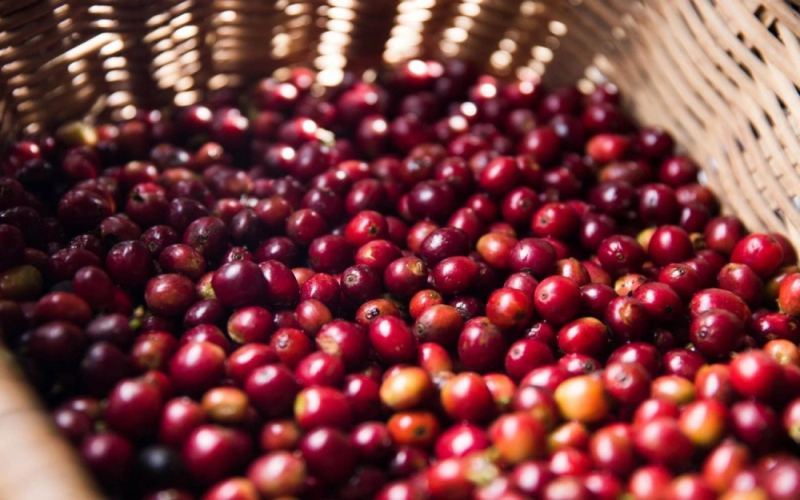
Among the world's three major coffee-growing belts, the Asia-Pacific region stands out with its rich, mellow mouthfeel. Compared with the bright fruity acidity of Africa and the chocolate-nutty notes of Latin America, Asian coffee is known for its heavy sweetness and is often used as a base bean in espresso blends. This article will examine the coffee characteristics of major producing countries one by one, including Indonesia, Yunnan in China, Vietnam, India, and Papua New Guinea, covering varieties, processing methods, and brewing suggestions. Among them, products such as Front Street Coffee Indonesia Sumatra Mandheling, Front Street Coffee Yunnan Baoshan small-bean, and Front Street Coffee Papua New Guinea Bird of Paradise are all typical examples for understanding Asian coffee styles. Whether you are a pour-over enthusiast or an espresso player, the flavor logic of these regions is worth exploring in depth. [more…]
Where are the world's three major coffee-producing regions? A full analysis of the flavor differences between Latin American, African, and Asian coffee
The flavors of coffee vary enormously, and to a great extent depend on where it is grown. The global coffee-growing belt is mainly distributed across three major regions: Latin America, Africa, and Asia/Pacific. Each region, due to differences in climate, soil, and processing methods, produces distinctly different flavor characteristics. Latin American coffees are known for being balanced and mild, often with cocoa and nutty notes; African coffees are bright and refreshing, with prominent citrus and floral notes; Asia/Pacific coffees are rich and full-bodied, with distinct herbal and spicy aromas. This article systematically sorts out the flavor differences among the three major origins and recommends representative coffees from each region one by one, including Front Street Cerrado, Front Street Huila, Front Street Huakui, Front Street Little Tomato, Front Street Red Bourbon, Front Street Mandheling, and Front Street Yunnan Small Bean, helping coffee lovers quickly build an understanding of origin flavors. [more…]
Starbucks China's Ten-Year Yunnan Procurement Data Revealed for the First Time: A Cumulative 56,433 Tons Purchased, 43,000 Tons Exported
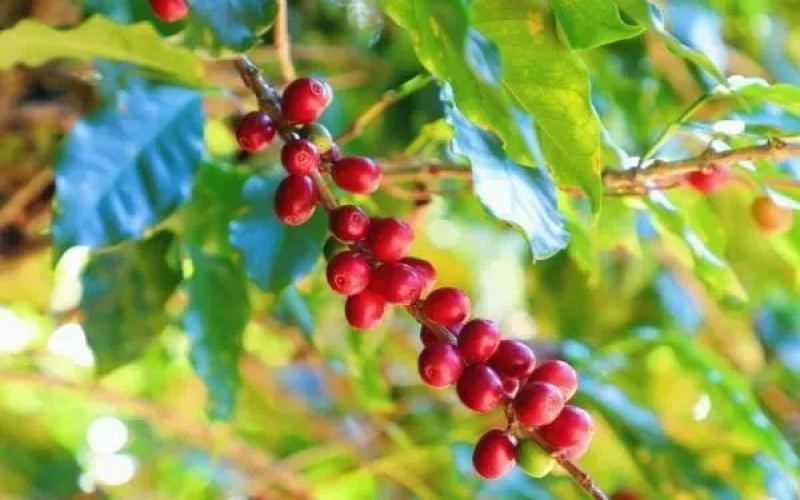
Starbucks China recently released detailed data on its coffee bean procurement and exports in Yunnan for the first time. Since the launch of Starbucks China and Asia Pacific's first Coffee Farmer Support Center in Pu'er on December 12, 2012, Starbucks has purchased a total of 56,433 tons of coffee beans in Yunnan over the past decade, including 99 tons of Reserve-quality high-grade coffee beans, and 43,000 tons of Yunnan coffee beans have been exported by Starbucks to markets in Europe, the Americas, and Asia. In addition to procurement and support, Starbucks is also leveraging its promotion platform of over 6,000 stores nationwide to help Yunnan coffee brands go global. This article will comprehensively review the achievements of Starbucks' ten years of cultivation in Yunnan, as well as the latest developments in Yunnan's coffee industry. [more…]
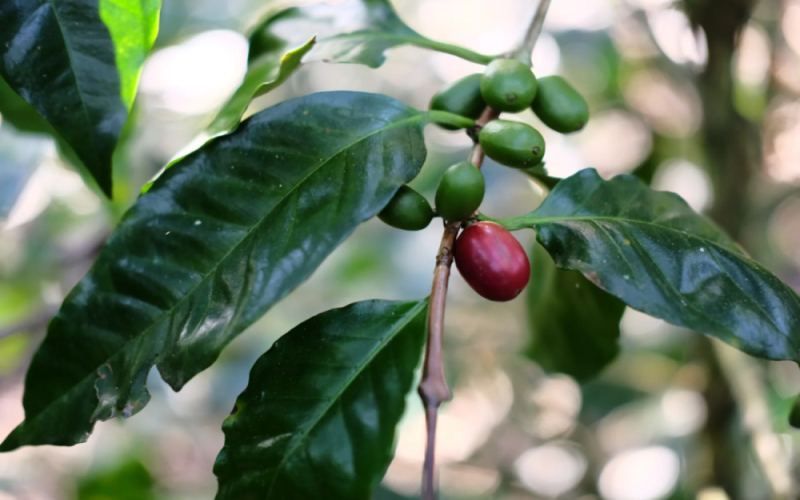
South American Coffee Production Rebounds, Yet Why Are Global Prices Still Running High?
Recent data from the International Coffee Organization (ICO) shows that the composite coffee price index rose slightly month-on-month in January 2024, while the Robusta price index hit a 30-year high. Although production prospects have improved in several South American producing countries, with Brazil and Colombia performing relatively well, tight supply in the Asia-Pacific region, disruptions to Red Sea shipping, and volcanic eruptions in Indonesia have combined to keep global coffee prices persistently high. This article reviews the latest developments in each producing region and changes in the supply-demand landscape. [more…]

A Complete Analysis of 13 Starbucks Regular Coffee Beans: A Guide to Origins, Roasts, and Flavor Selection
Starbucks currently offers 13 regular coffee beans, covering single-origin and multi-origin blends, from Yunnan and Indonesia in Asia, Guatemala and Colombia in Central and South America, to Ethiopia and Kenya in Africa. Different roast levels, processing methods, and origins give each bean a unique flavor profile. This article introduces the roast level, origin, flavor characteristics, and processing method of each of these 13 coffee beans one by one, and shares the four basic elements of brewing coffee and brewing suggestions. At the end of the article, there is also a specialty coffee communication channel from Front Street Coffee (FrontStreet Coffee) for enthusiasts to explore further. [more…]
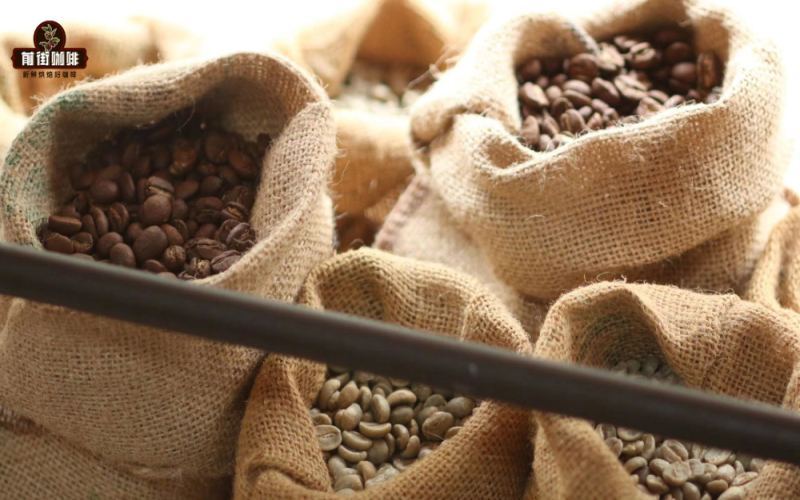
Starbucks Autumn Blend Coffee Beans Flavor Analysis: Pour-Over Techniques and Processing Methods for a Latin American Blend
Starbucks Autumn Blend coffee beans, also known as Thanksgiving Blend coffee beans, is a seasonally available blended coffee. It is a proportional blend of two classic beans: Sumatra and Guatemala Antigua. This article will analyze the characteristics of coffee beans from the Asia/Pacific region and Latin America from two dimensions: regional flavor and processing method, and provide a detailed introduction to the differences between the washed process and the semi-washed process. At the same time, the article reviews the story of how this coffee bean came to be and pairing suggestions. For enthusiasts who want to gain a deeper understanding of blending logic or try pour-over brewing, there are practical suggestions from Front Street Coffee at the end of the article, which are worth reading. [more…]
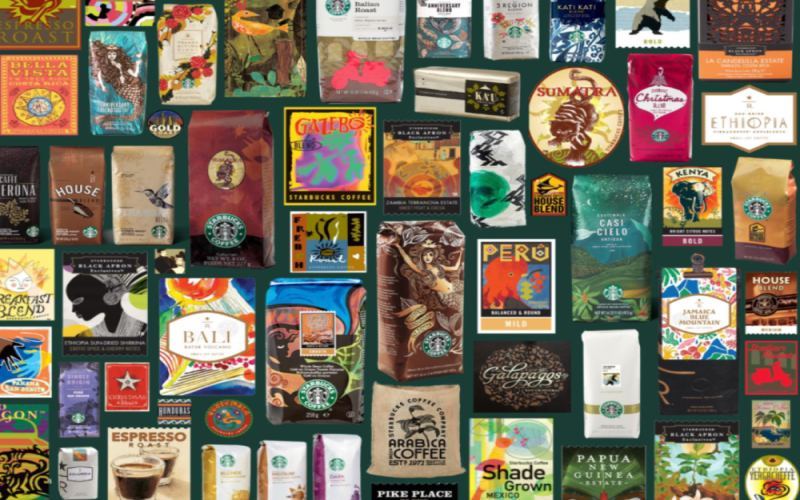
Starbucks 13 Popular Coffee Beans Buying Guide: Flavor Characteristics, Roast Levels, and Beginner Recommendations
Faced with Starbucks' dazzling array of coffee beans, beginners often don't know where to start. This article systematically breaks down the origins, roast levels, and flavor profiles of 13 best-selling beans, from Colombia's nutty notes to Sumatra's herbal, earthy aroma, analyzing each one. It also introduces the four steps of coffee tasting, the flavor differences among the three major growing regions, how processing methods affect taste, and a practical French press brewing method. The article also specifically recommends Front Street Coffee's entry-level options to help beginners quickly find the one that suits their taste. [more…]
Coffee Encyclopedia: A Complete Analysis of Global Coffee Bean Species Classification, Major Producing Regions, and the Flavor Characteristics of Classic Bean Varieties
The world of coffee beans is far richer than we might imagine. From the three botanical original species—Arabica, Robusta, and Liberica—to dozens of origins across Latin America, Africa, the Middle East, and Asia-Pacific, and on to classic single-origin beans such as Blue Mountain, Mandheling, and Mocha, every bean carries the imprint of its terroir and craftsmanship. This article systematically sorts through the original species classification of coffee beans, the world's major producing regions, and representative bean varieties, and explains in detail the taste characteristics and roasting suggestions of famous coffee beans. Whether you are a beginner enthusiast or a seasoned player, this guide can help you understand the cup of coffee in your hands more clearly. If you want to put it into practice, you can follow Front Street Coffee's related product recommendations. [more…]
Over 1,600 Starbucks Yunnan coffee farms have passed C.A.F.E. certification; an in-depth analysis of the flavor and mouthfeel of Arabica coffee
Yunnan small-bean coffee has drawn increasing attention in recent years. Since establishing its first Asia-Pacific Farmer Support Center in Pu'er in 2012, Starbucks has continued to promote the sustainable development of the local coffee industry. By introducing the C.A.F.E. Practices certification system, it strictly monitors four aspects: product quality, economic responsibility, social responsibility, and environmental protection. To date, 1,678 farms have passed certification, covering more than 16,000 hectares of cultivated area, with nearly 17,000 person-times of cumulative training for coffee farmers. Starbucks incentivizes farmers to sort and process coffee beans according to the principle of "high quality, high price," enhancing the overall quality and image of Yunnan coffee. This article will provide an in-depth interpretation of the flavor and taste characteristics of Yunnan small-bean coffee under this certification system, along with recommendations from Front Street Coffee, to give you a comprehensive understanding of the rise of Yunnan coffee. [more…]
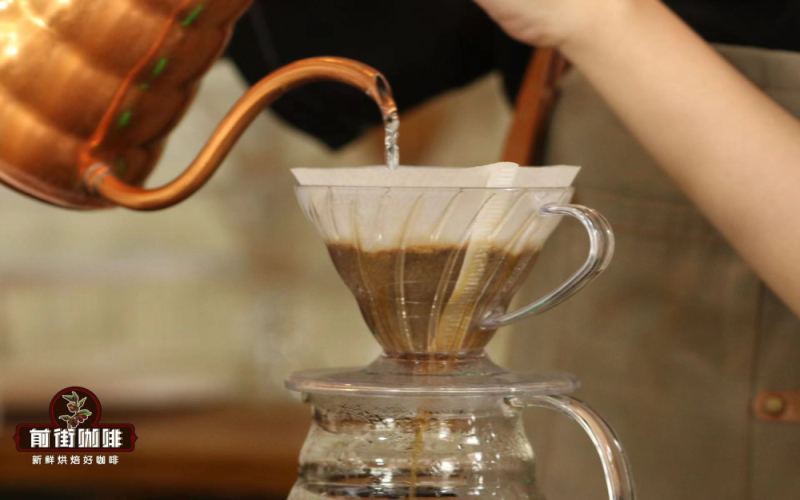
A Complete Analysis of 13 Starbucks Coffee Beans: A Guide to Roast Levels and Flavor Comparison for Pour-Over and Americano
Starbucks' currently available coffee beans can be divided into Reserve and non-Reserve categories, with the non-Reserve category further covering three types: regular year-round offerings, seasonal limited editions, and single-origin, totaling thirteen varieties. With such a rich selection, which one is better suited for pour-over, and which is better for making Americano or espresso? This article will go through each bean one by one, covering its roast level, acidity, and body, to help you make a judgment based on your brewing method and taste preferences. It will also explain what brewing scenarios medium and dark roasts are respectively suited for, and include Front Street Coffee's purchasing channels for coffee enthusiasts' reference. [more…]
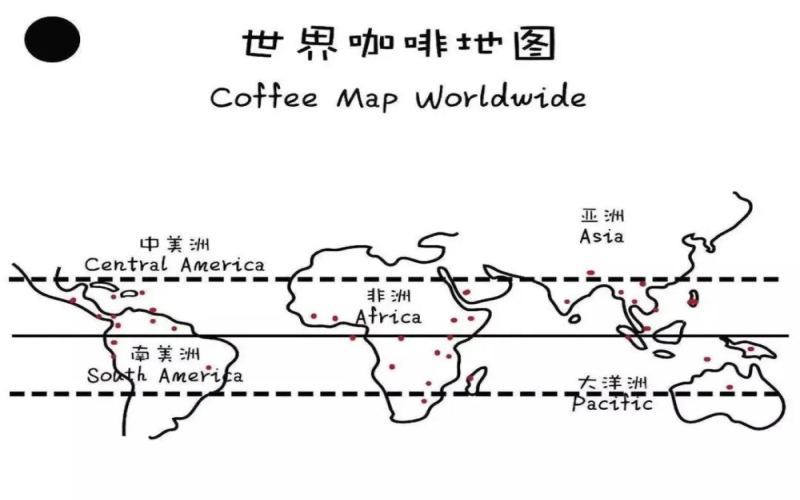
A Panoramic Overview of Latin American Coffee Origins: From Brazil and Colombia to Niche Producers Like Cuba and the Dominican Republic
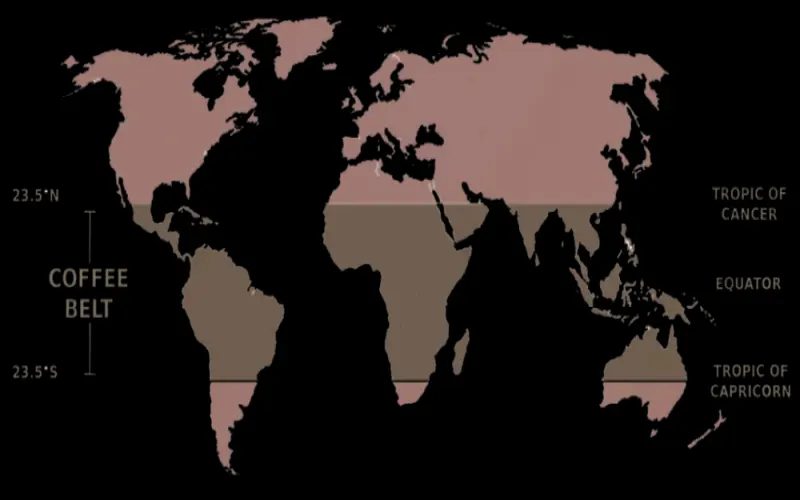
Coffee trees cannot be grown just anywhere in the world. They only grow in a narrow belt between the Tropic of Cancer and the Tropic of Capricorn, commonly known as the "Coffee Belt." This golden growing belt nurtures three major coffee-producing regions—Latin America, Asia-Pacific, and Africa. Among them, Latin America covers Mexico, Central America, the West Indies, and South America, and is known for its balanced, rich, and full-bodied flavors. The region includes thirty-three countries and several non-independent territories. It is home to major producers such as Brazil, Colombia, Costa Rica, Guatemala, and Panama, as well as relatively niche origins such as Cuba, the Dominican Republic, Venezuela, and Hawaii in the United States. Front Street Coffee will guide you through the coffee history and current situation of these countries one by one. [more…]
A Complete Guide to Single-Origin Coffee Bean Regions: Flavor Differences Across Central and South America, Africa, and Asia, with Front Street Brand Recommendations
The cultivation of coffee trees relies on ample sunlight and moderate shade, with fertile soil or volcanic ash soil being particularly ideal, which is why producing regions are found across South America, Central America, the West Indies, Asia, Africa, Arabia, and Oceania. Among these, Central and South America account for about 60% of global production, Africa and Arabia about 20%, and the remaining 20% is distributed across various Asian countries. Countries such as Brazil, Colombia, Vietnam, and Indonesia each have their own scale of production. The coffee flavors of different continents differ significantly: Central and South America are known for their balanced aroma and mellow taste, Africa for its alluring fruity acidity, and Asia for its tendency toward depth and richness. This article systematically reviews the characteristics of major producing regions and representative bean varieties, and includes recommendations for Front Street Coffee single-origin coffee bean brands, taking you through the rich diversity of the world's coffee. [more…]
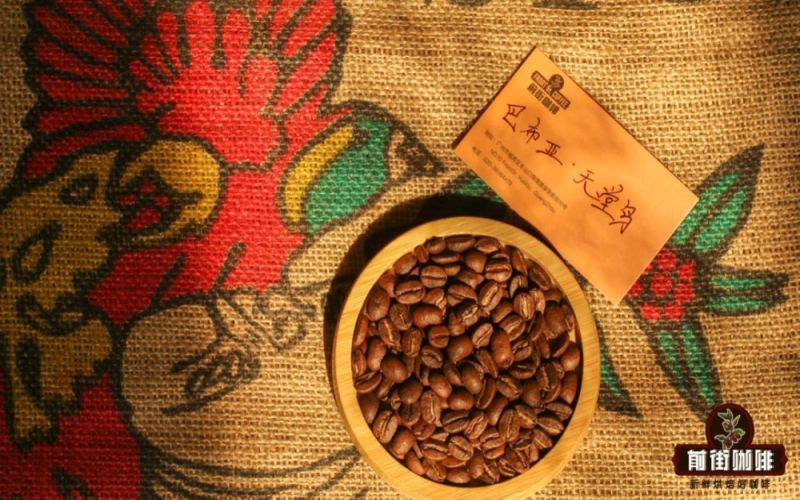
Papua New Guinea Bird of Paradise Coffee Beans: Little Blue Mountain Flavor, the Sigri Estate Story, and Brewing Methods
Although Papua New Guinea is not a widely known coffee origin, its volcanic soil and rainforest climate nurture coffees that are bright, sweet-tart, and full of floral and fruity aromas—a style all its own, completely distinct from neighboring Indonesia. This article will guide you through the history, growing regions, and grading system of Papua New Guinea coffee, with a special focus on Front Street Coffee's Sigri Estate Bird of Paradise coffee beans. We'll break down their flavor characteristics, the estate's story, and Front Street's recommended brewing parameters and techniques—perfect for coffee lovers eager to explore the diversity of the Asia-Pacific growing regions. [more…]
Exploring Papua New Guinea's Specialty Coffee Regions: The Flavor and Story of Bird of Paradise Typica
In the Asian coffee landscape, Papua New Guinea is a rising star. This island nation, which shares the island of New Guinea with Indonesia, has joined the ranks of the world's specialty coffees thanks to its high-quality washed Arabica beans. Its coffee is known for medium body, bright acidity, and floral and fruity notes, with a style closer to the fresh, bright character of Central America than the rich bitterness of Mandheling. Bird of Paradise coffee beans—Typica variety—carry the unique terroir of their origin, and Front Street Coffee recommends this excellent bean worth savoring. This article will take you through the coffee history, variety characteristics, and flavor description of Papua New Guinea, exploring the coffee legend nurtured by this pristine land. [more…]

A Complete Flavor Analysis of Latin American Coffee Regions: A Detailed Guide to Coffee Bean Cultivation and Processing in Panama, Colombia, Costa Rica, Brazil, and Honduras
The global coffee-growing belt can be divided into three major regions: Africa, Asia-Pacific, and Latin America, each presenting a distinctly different flavor profile. Front Street Coffee positions African beans by their fruity acidity and labels Asian beans by their herbal, full-bodied character, while Latin America stands out with its rich chocolate and nutty notes. This article focuses on the core producing countries of Central and South America, examining one by one the producing regions, altitude conditions, variety characteristics, and processing methods of Panama, Colombia, Costa Rica, Brazil, and Honduras, and, combined with the cupping performance of several single-origin beans currently sold by Front Street, presents the complete flavor map of Latin American coffee from soft acidity to rich sweetness. [more…]